Kelectron Technologies

Industrial Automation & IoT Solutions for Machine Efficiency and Monitoring

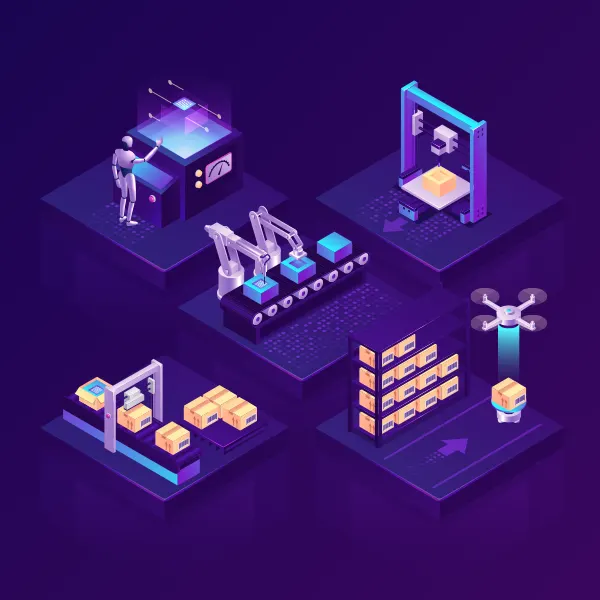
Sensors, PLCs and gateways feed live dashboards, so production managers can track utilisation, prevent breakdowns and cut energy cost across every machine.

kelectron — plant

$ kelectron --plant

senseLoad · temperature · vibration sensors, PLCs

connectIoT gateways → MQTT / HTTP → cloud

analyseAI / ML models · live dashboards

actAlerts · start, stop and speed control

→ one platform, from machine to decision

What it is

Know exactly what every machine is doing

Kelectron’s industrial automation and IIoT solution connects your machines to a single cloud platform. It measures availability, performance and quality in real time, shows where production is losing time, and alerts your team before small problems become breakdowns. Dashboards work on web and mobile and can feed your ERP system.

  • 8monitoring and control modules
  • 4architecture layers, sensor to action
  • Web + mobiledashboards with ERP integration

Capabilities

What the system does for your production floor

Machine Utilization and Productivity Tracking

Purpose

Measure and optimize machine performance, availability, and quality in real-time.

Features

  • Track machine uptime, downtime, and production cycles.
  • Identify bottlenecks that lower efficiency.
  • Real-time dashboards showing OEE metrics for production managers.
Overload/Overtime Protection

Purpose

Prevent machines from running beyond their capacity or for excessive durations, which can lead to breakdowns and wear.

Features

  • Real-time load sensors to detect overuse or abnormal strain.
  • Automatic alerts and shutdown mechanisms when overload is detected.
  • Configurable working time limits to ensure optimal machine utilization.

Input/Output Monitoring

Purpose

Monitor material inputs and product outputs for quality assurance and process optimization.

Features

  • Sensors to measure material input flow and output accuracy.
  • Analytics to ensure minimal wastage and adherence to production standards.
  • Reports on input-output discrepancies for troubleshooting.

Cycle Time and Efficiency Tracking

Purpose

Provide detailed insights into the working cycle and efficiency of machines for better production planning.

Features

  • Track the total working cycle of each machine, including process times.
  • Measure time spent in active production, idle states, and stoppages.
  • Generate reports on machine utilization rates and efficiency percentages.

Idle and Stop Time Analysis

Purpose

Help production managers identify downtime causes and optimize processes.

Features

  • Log idle and stop times for each machine.
  • Real-time alerts for unplanned stoppages.
  • Root cause analysis to determine reasons for downtime.

Centralized Monitoring and Control

Purpose

Allow production managers to oversee all machine activities from a single platform.

Features

  • Cloud-based dashboards accessible via web or mobile apps.
  • Remote control capabilities for starting, stopping, or reconfiguring machines.
  • Integration with ERP systems for seamless production planning.

Preventive Maintenance Alerts

Purpose

Avoid unplanned downtime by scheduling timely maintenance.

Features

  • Predictive analytics to determine when maintenance is required.
  • Alerts based on machine wear-and-tear data.
  • Maintenance history tracking.

Energy Usage Optimization

Purpose

Monitor and optimize energy consumption to reduce costs and environmental impact.

Features

  • Real-time tracking of energy usage per machine.
  • Alerts for abnormal energy consumption.
  • Recommendations for energy-efficient operations.

Benefits for industries

Results your plant managers will notice

  • Real-Time Insights

    • View machine status, production rates, and efficiency in real time.
    • Understand machine behavior with detailed logs and performance trends.
  • Improved Decision-Making

    • Use detailed data to plan production schedules and allocate resources effectively.
    • Identify inefficient processes or machines and take corrective action.
  • Minimized Downtime

    • Predict and prevent unplanned stoppages with maintenance alerts.
    • Reduce time wasted due to idle machines or operator delays.
  • Cost Savings

    • Avoid unnecessary repairs with overload protection and preventive maintenance.
    • Optimize resource usage, including energy and raw materials.
  • Enhanced Productivity

    • Maximize machine output by tracking and optimizing working cycles.
    • Ensure production goals are met without overburdening equipment.

Technical architecture

Four layers, from sensor to action

  1. Data Collection Layer

    • Sensors (load, temperature, vibration) installed on machines.
    • PLCs (Programmable Logic Controllers) to process sensor data.
  2. Communication Layer

    • IoT gateways to transmit data securely via MQTT, HTTP, or other protocols.
    • Cloud integration for centralized data storage and processing.
  3. Analytics Layer

    • AI/ML models to analyze data for patterns, trends, and anomalies.
    • Visualization tools like dashboards and graphs for decision-making.
  4. Action Layer

    • Actuators to control machine operations (start/stop, speed adjustment).
    • Alerts sent to managers via SMS, email, or app notifications.

Proof

Delivered on real shop floors

Industrial automation: common questions

What is industrial automation and IIoT monitoring?

It connects machines, sensors and PLCs to software so production managers can see machine performance in real time, spot downtime and inefficiency early, and control equipment remotely. Kelectron builds the sensors, gateways, cloud platform and dashboards end to end.

What can Kelectron monitor on a machine?

Uptime and downtime, production cycles and OEE, load and overload, cycle time and efficiency, idle and stop time with root-cause analysis, material input and product output, maintenance indicators and energy use per machine.

Do we need to replace our existing machines?

No. Sensors and PLCs capture the data, and IoT gateways send it over protocols such as MQTT and HTTP. Legacy equipment can be integrated so that machines do not need to be replaced to appear on the dashboard.

How do managers see and use the data?

Through cloud-based dashboards on web or mobile, with real-time OEE metrics, reports on utilisation and efficiency, and optional integration with your ERP system for production planning.

Can machines be controlled remotely, and how do alerts work?

Yes. The platform can start, stop or reconfigure machines remotely and adjust speed through actuators. Alerts for overload, unplanned stoppages, abnormal energy use and maintenance due dates reach managers by SMS, email or app notification.

Ready to see what your machines are telling you?

Tell us about your plant, the machines you run and the problems you want to solve. Our engineers will review it and get back to you.

Call usTalk to an Expert